
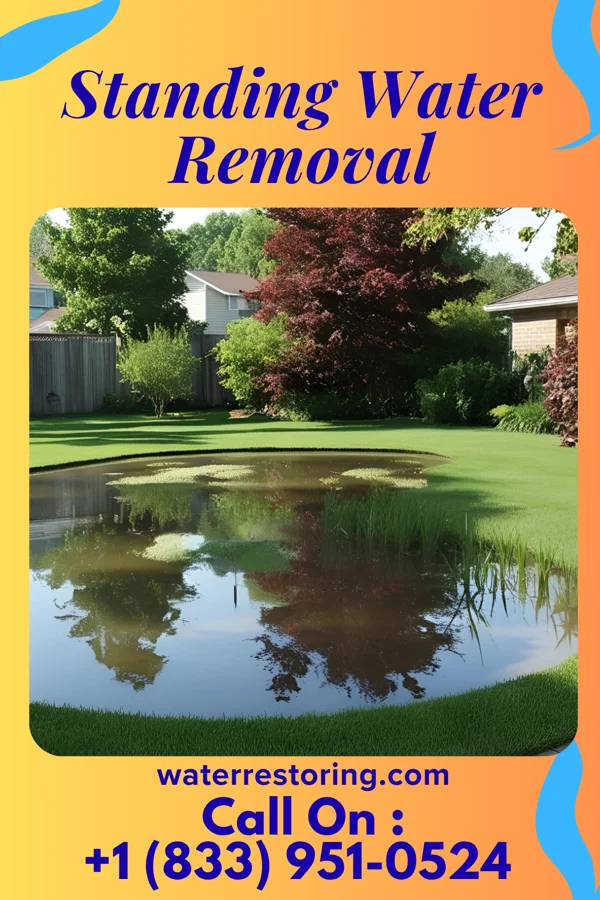
Standing Water & Insurance in Wright-Patterson AFB
At Wright-Patterson AFB, Ohio, water damage often stems from leaking utility lines, faulty HVAC systems, and sudden plumbing failures in military housing and base facilities. Additionally, stormwater runoff from nearby rural areas can seep into base infrastructure, especially during heavy rainfall events. is the trigger behind most standing water removal claims in Wright-Patterson AFB. A close second is Secondary causes include condensation in cold storage units, flooding from nearby rivers like the Mad River, and water infiltration through aging or improperly sealed building structures. Maintenance lapses in base facilities also contribute to recurring water issues.. Most homeowner insurance policies cover sudden, accidental water damage. What separates a clean claim from a stuck one is fast professional response with documentation an adjuster can actually use.
The rural climate around Wright-Patterson AFB brings unpredictable weather patterns, including sudden heavy rains and temperature fluctuations, which can lead to rapid water accumulation. This increases the risk of water damage in both residential and commercial properties on the base.
Most standing water removal calls in Wright-Patterson AFB come from At Wright-Patterson AFB, Ohio, water damage often stems from leaking utility lines, faulty HVAC systems, and sudden plumbing failures in military housing and base facilities. Additionally, stormwater runoff from nearby rural areas can seep into base infrastructure, especially during heavy rainfall events.. Running a close second is Secondary causes include condensation in cold storage units, flooding from nearby rivers like the Mad River, and water infiltration through aging or improperly sealed building structures. Maintenance lapses in base facilities also contribute to recurring water issues.. Local mold risk: Mold growth can quickly develop in the humid, rural environment surrounding Wright-Patterson AFB, especially in poorly ventilated military housing or base buildings. Prompt action is critical to prevent health risks and structural damage.
For public guidance on the health effects of mold after prolonged water exposure, see the EPA mold and health page.